Estimated Reading Time: Two and a half minutes (498 words)
Primary Audience: 2nd-12th grade writing teachers
This year, I’m transitioning from Kindergarten back to second grade. One thing that’s getting me excited about this grade-level change is the opportunity to bring back reflective notebooks.
Why It Matters: Reflection plays a vital role in the writing process and helps writers grow and improve. The reflective notebook routine is a quick way to bring more reflection into your writing workshop.
What You Need:
- Small notebooks (I used composition notebooks cut in half) emphasize the brief nature of these jots
- A timer
- A collection of reflective questions, on chart paper or digital slides. Click here to get a copy of my slides.
The majority of these questions come from Brian Kissel’s book, When Writers Drive the Workshop: Honoring Young Voices and Bold Choices (2017), but some are improvised, like: “How are you feeling about our upcoming writing celebration?”

How It Works: Once a week, at the beginning or end of writing workshop, I invite students to reflect. The entire process takes less than five minutes. Kids sit on the carpet with their reflective notebook while I display two options for kids to respond to. Because reflection is a challenging and vulnerable practice, it’s important that kids have choice in what they share with me. After reading the questions, I set the timer and encourage kids to keep pencils moving for the full three minutes.
To differentiate, consider the following options instead of written responses:
- Videos on Flipgrid
- Speech-to-text assistance
- Drawings
- Prompt partners to discuss reflective questions
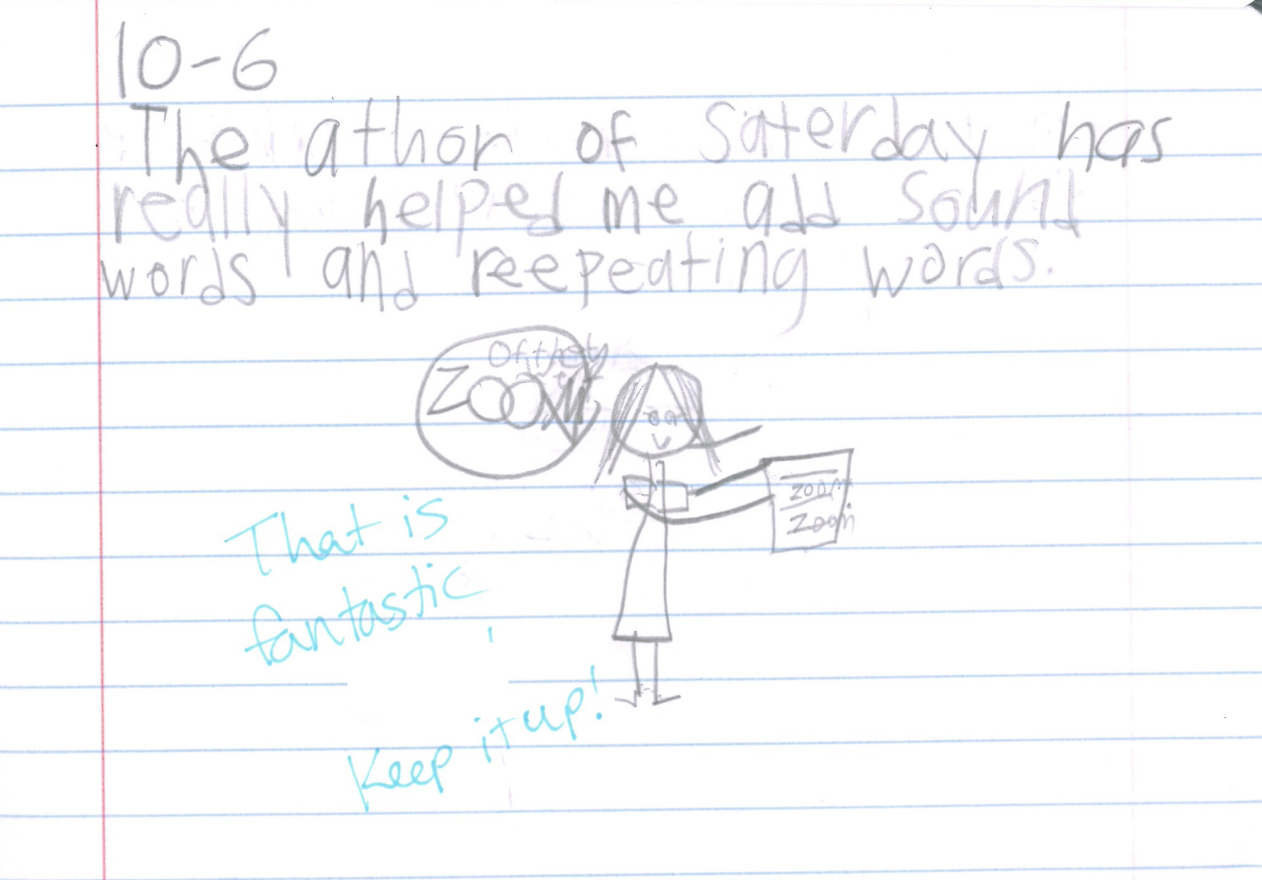
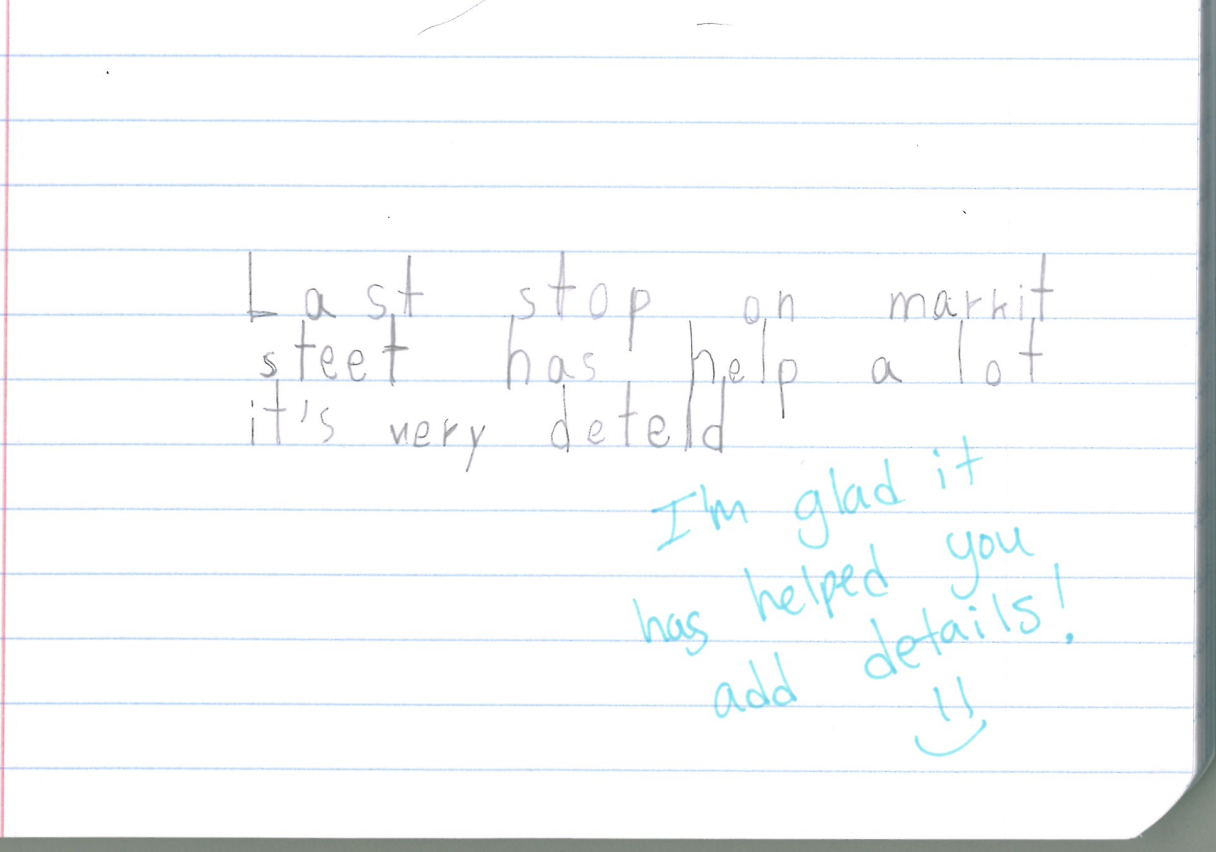
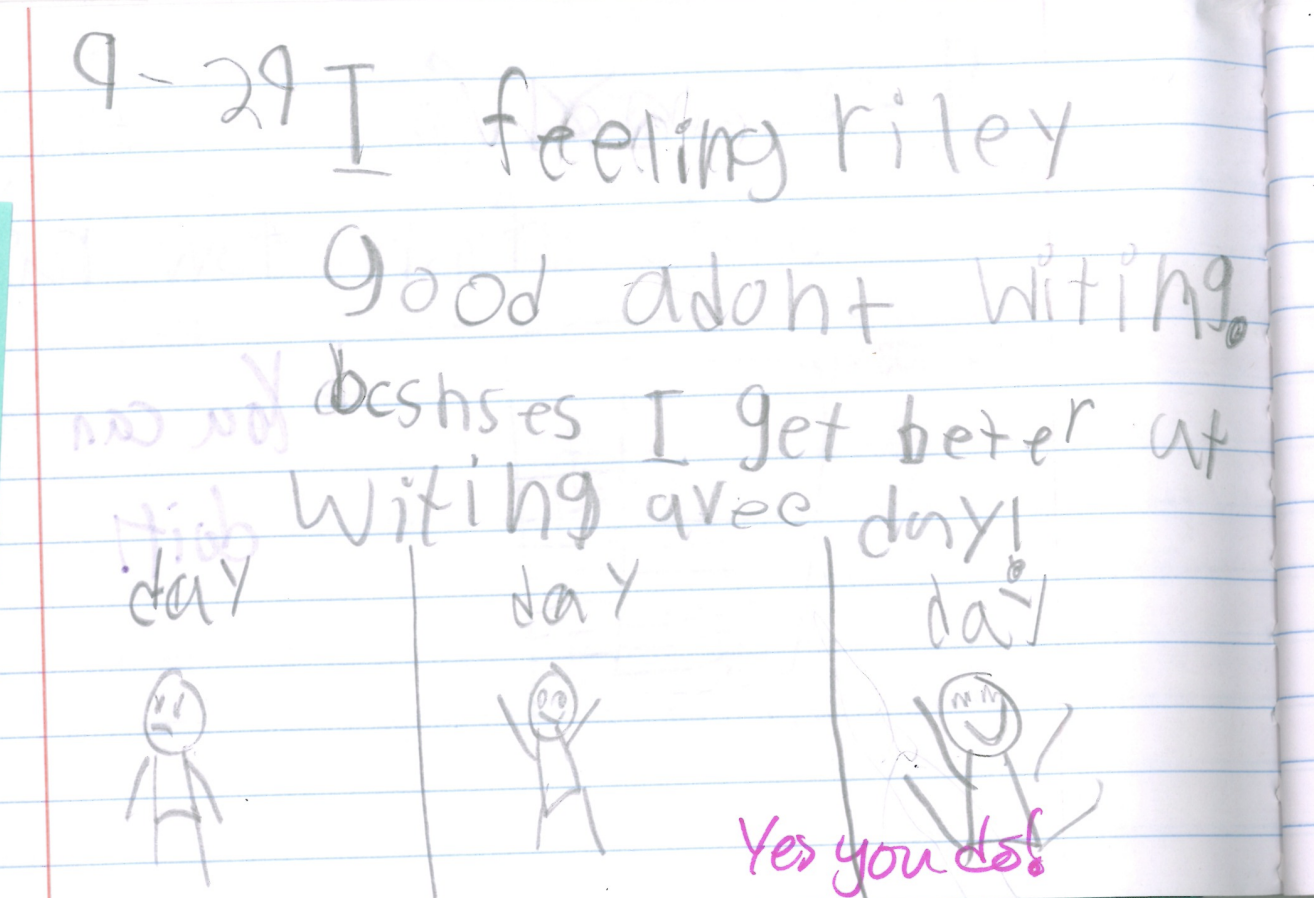
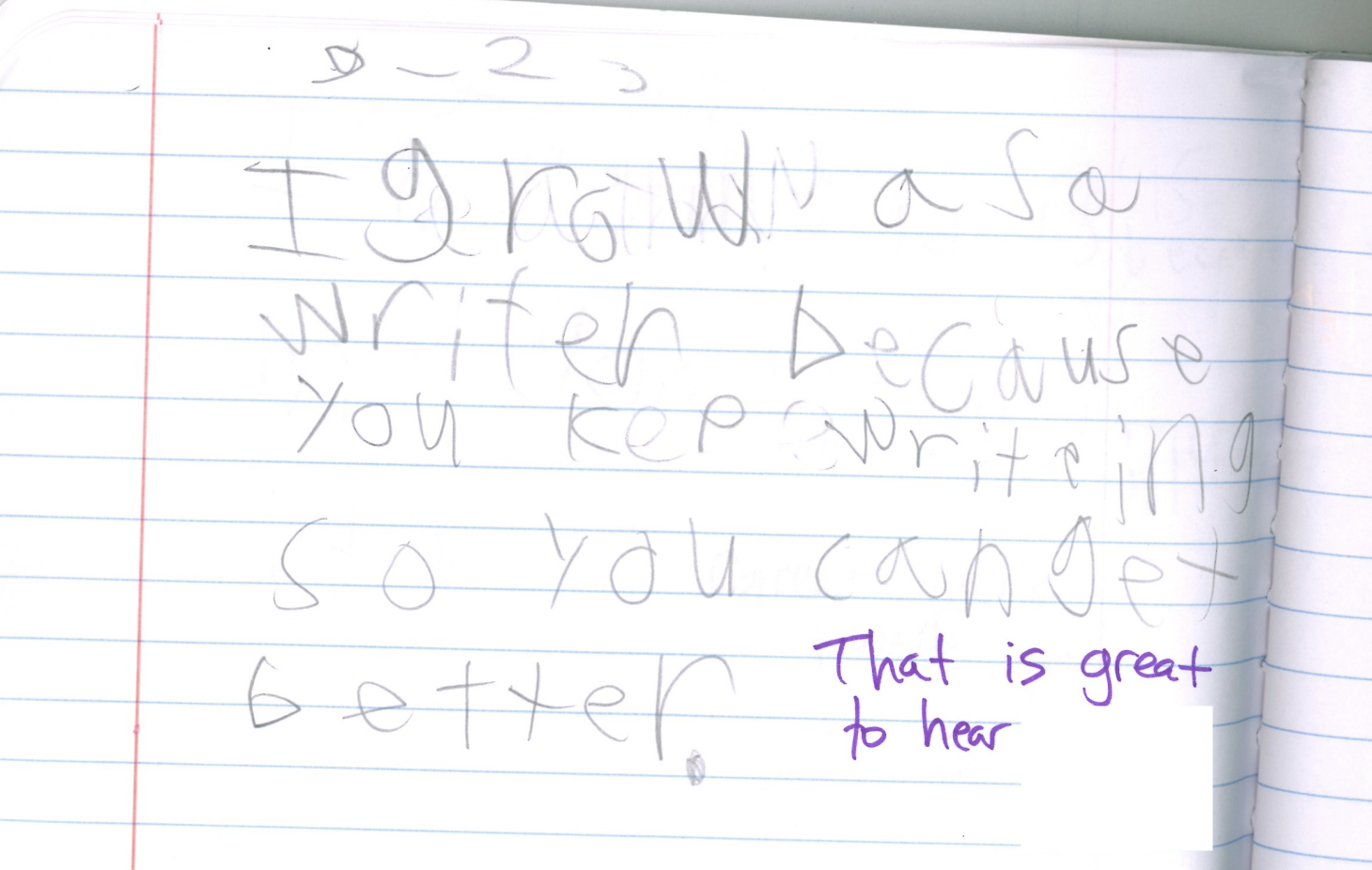
What I Learned: The reflective nature of these questions elicits more advanced and introspective responses than I’d expect from second graders, offering insights into their struggles and identities as writers. Take a look at some examples from student journals. Click to enlarge photos as needed.
“How has a mentor author helped you this week?”
“How are you feeling about yourself as a writer?”
![I feel okay about writing. I might need help. But I might be fine for now. Love, [name].](https://twowritingteachers.org/wp-content/uploads/2023/08/screen-shot-2023-08-04-at-5.23.54-pm-1.png)

“Are you ready for our writing celebration?”
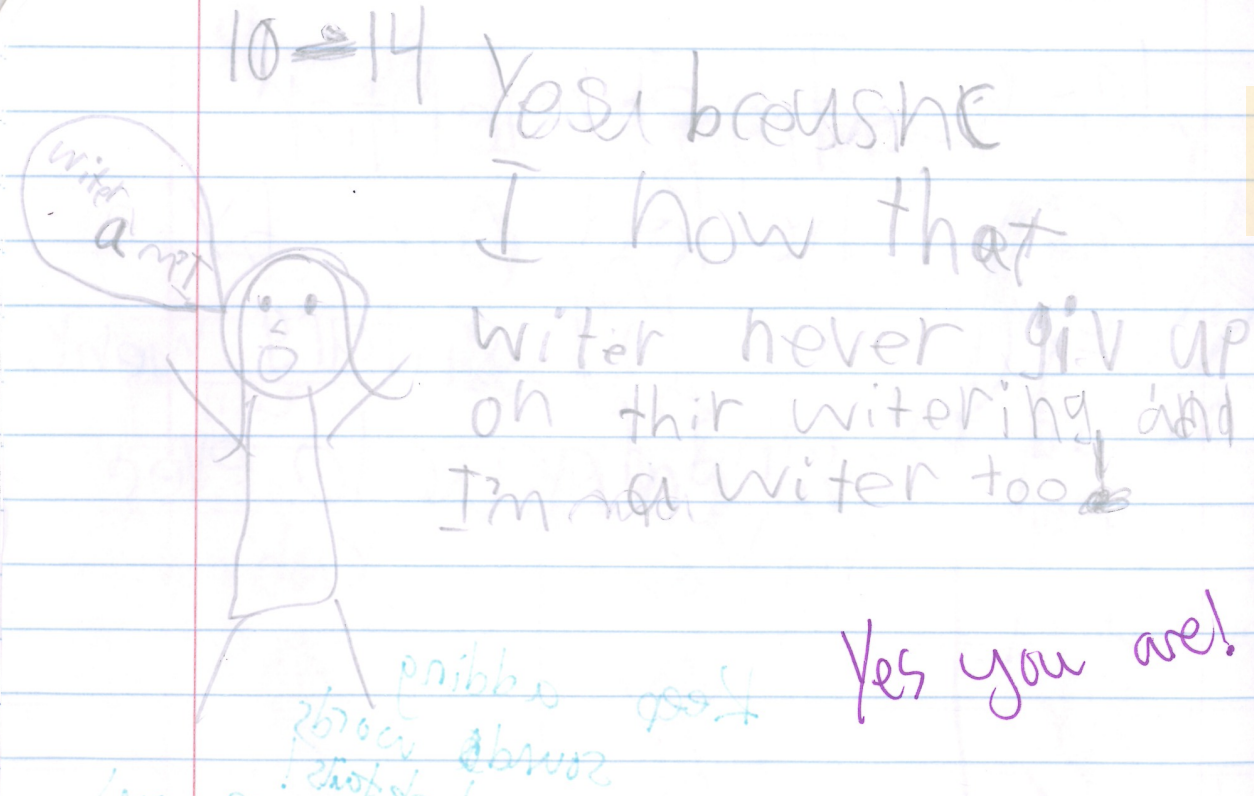
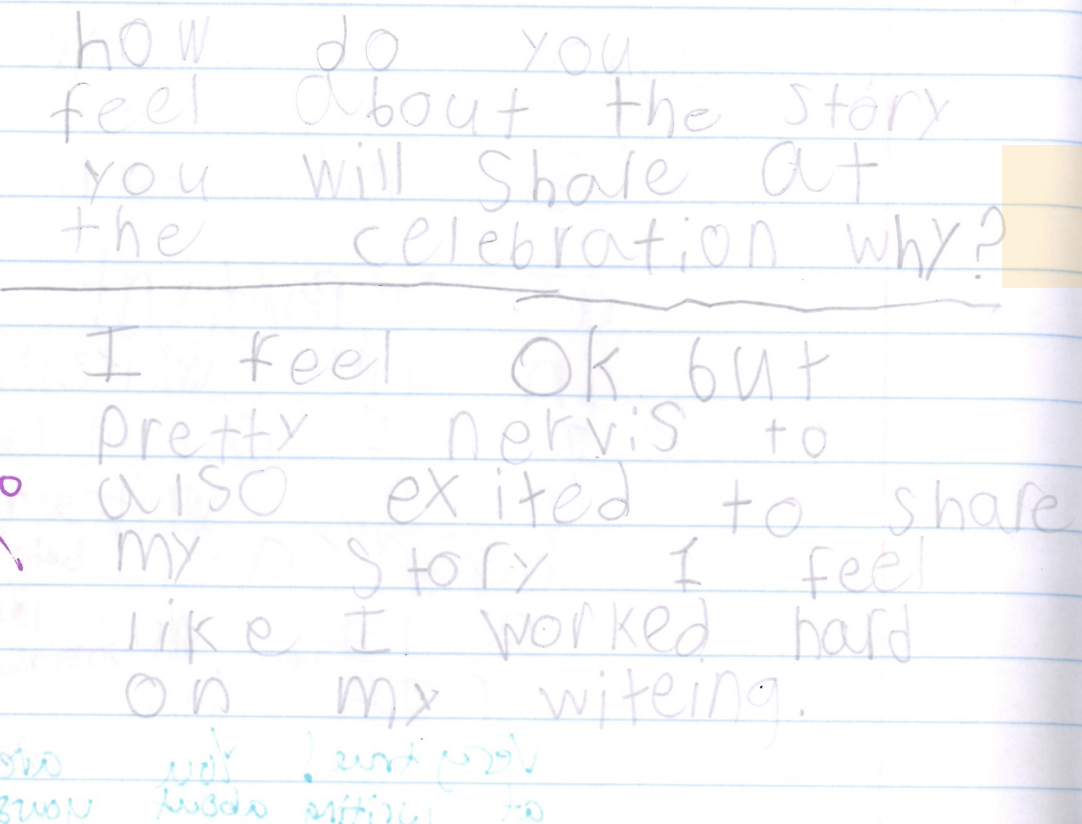
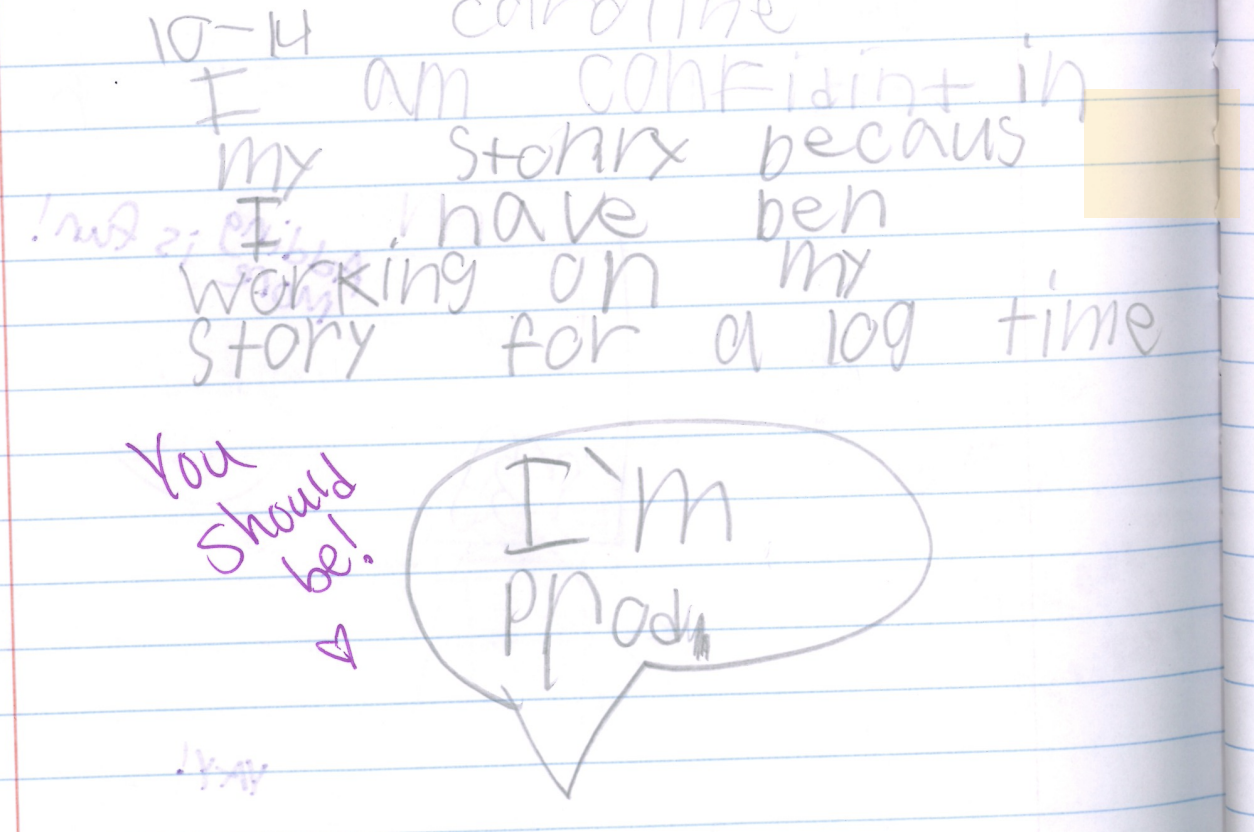
Each page showcases the challenges, successes, craft, and stamina of these second grade writers. As you can see, I read and respond to each student’s reflections.
The Bottom Line: These notebooks aren’t just for me. Reflection fosters personal growth and improvement for the writers themselves. I look forward to returning to second grade this year and learning alongside reflective writers.
Go Deeper: Check out the book I mentioned in this post by Brian Kissel for more reflection tips. It’s one of my favorite books about writing workshop!
Kissel, B. (2017). When writers drive the workshop: Honoring young voices and bold choices. Stenhouse Publishers.
Discover more from TWO WRITING TEACHERS
Subscribe to get the latest posts sent to your email.


Leah, what a great post. I love those sweet reflective journal entries and your nice responses. I can see how these would be very helpful to the students, and I love the half-size composition books. Have fun in grade 2 this year! It was one of my favorite grades to teach.
LikeLike
I look forward to trying this with fifth grade writers this year. Please can you open access to your slides?
LikeLike
I gave it a try and it forced me to make a copy. As soon as I agreed to do that, the slides popped right up.
Let Leah know if it doesn’t work for you.
LikeLike
Yes, permissions were updated. All good. Would have been a lot of individual requests for access!
LikeLike