Estimated Reading Time: 3 minutes, 593 words
Primary Audience: elementary teachers, coaches, administrators
Dinosaurs, dinosaurs, dinosaurs. I quickly learned that one of my new first graders is all about dinosaurs. He has a dinosaur backpack, lunchbox, and water bottle. He usually wears a dinosaur shirt. At choice time he plays with the model dinosaurs. The first day of independent reading he asked where to find the dinosaur books. His initial on-demand writing sample was about, what else, dinosaurs!
The Context: Over the years, I have had many students with a one-track mind. Superheros, Minecraft, Pokemon, Disney princesses, trendy animals (think axolotls and capybaras), slime, and sports are just a few of the obsessions I’ve encountered in my students. Teachers often ask me what to do about their student who will only write about one thing. My response: Let them be!
Here’s Why:

1) A student’s interest directly influences their motivation, and motivation directly influences productivity. Interest transforms the learning experience by fostering intrinsic motivation. In the writing workshop, interest and intrinsic motivation develop writers who write because they
want to, not because they have to. I would rather have a class full of enthusiastic writers who always write about the same topic over a group of unmotivated writers who write about a variety of topics any day.
2) Interest is especially important for reluctant writers. If a student is reluctant to write in general, they are going to be even more reluctant to write about something they are not interested in. Finding the right topic can jumpstart a reluctant writer. Allowing them to write about a topic they are passionate or know a lot about is often the difference between writing something and writing nothing.
3) Writing is cognitively demanding. Young writers are integrating fine motor skills, phoneme-grapheme knowledge, sequencing, and more in order to get their ideas onto the paper. Older students must consider vocabulary, descriptive language, organization, sentence structure and more as they write. Allowing students to write about a topic they already know and love frees up cognitive space to focus on writing skills and strategies.
4) The goal of writing workshop is to teach students the skills and strategies they need to become successful writers. My goal as a teacher is for my students to master grade-level standards. Students can show their mastery of writing and language standards when writing about any topic. If they are engaged in trying on new skills and strategies as they write about the same topic over and over again, then that is fine by me.
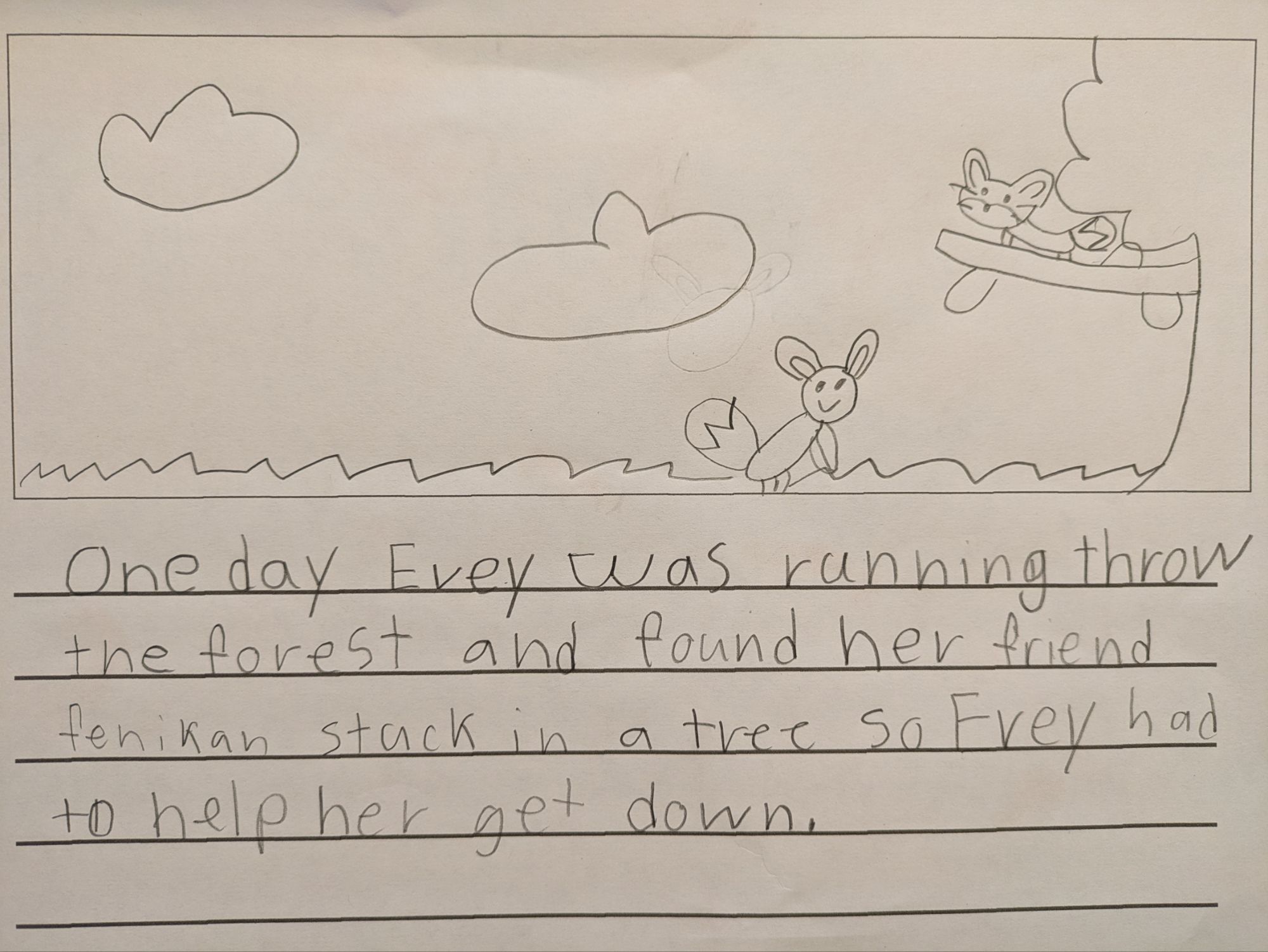
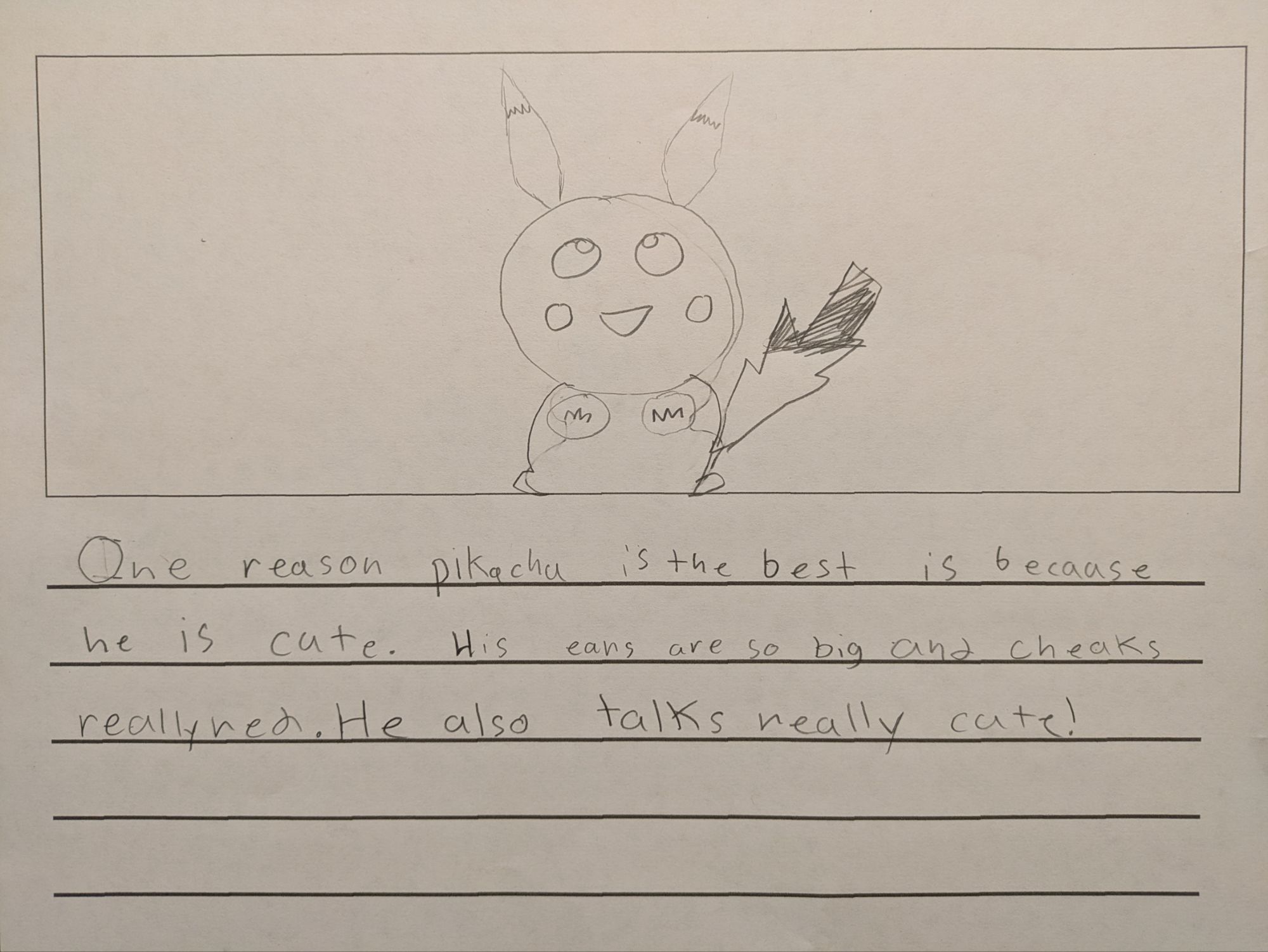
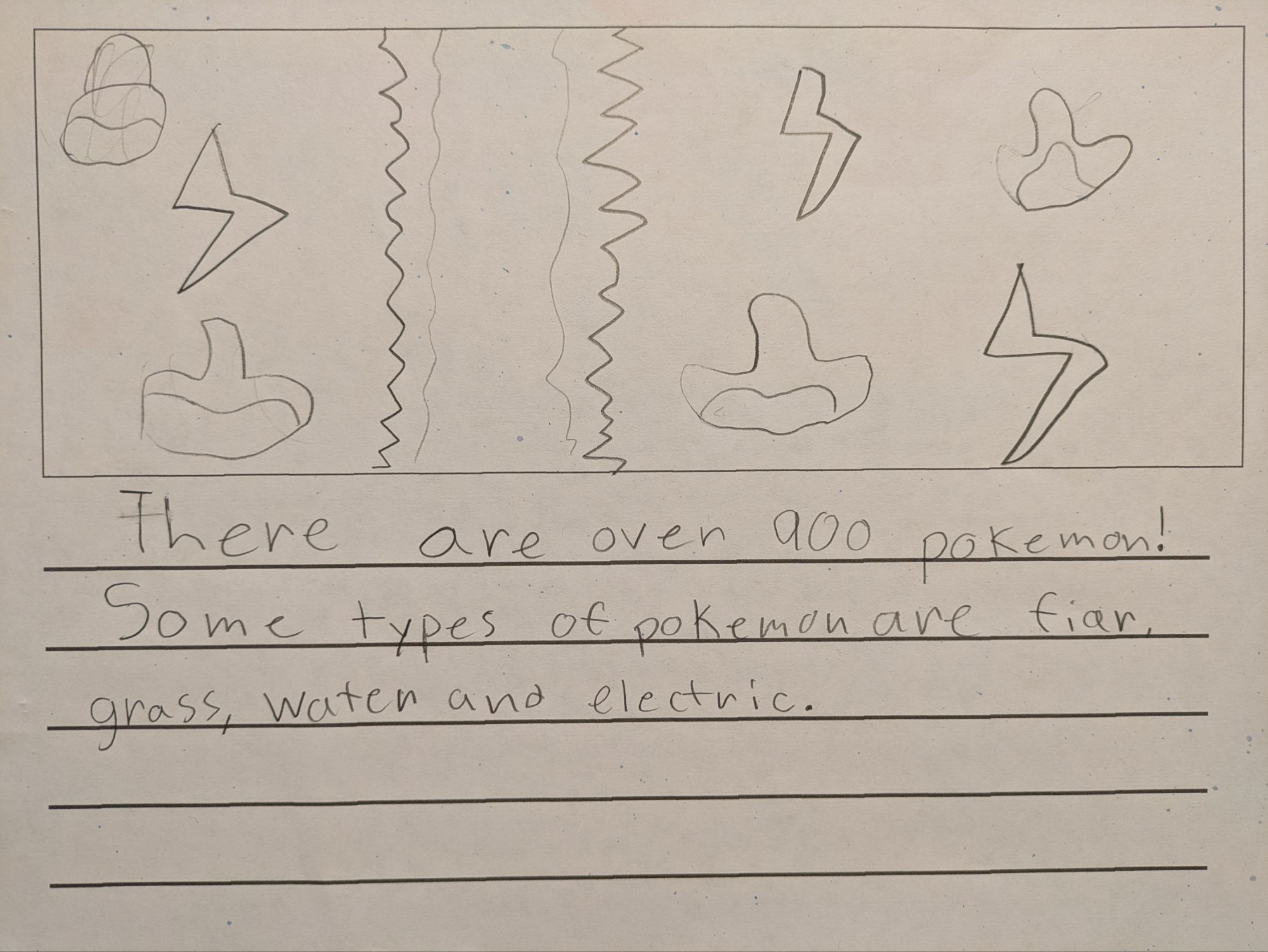
Yes, but…sometimes students have to write about a topic they aren’t interested in. Standardized tests, reading responses, science lab reports, historical essays…all of these forms of writing are required parts of being a student, especially as they get into the higher grades. However, if students have had ample practice writing about topics they care about in writing workshop, they will be able to transfer their knowledge of writing in a specific genre to the required writing topic. Furthermore, aside from standardized test prompts, there is almost always a way to offer choice about a required writing topic that will help students be more engaged in the assignment.
The Bottom Line: Writing workshop is a time for students to hone their skills as authors. The only way this can happen is for students to write a lot. It doesn’t matter what they are writing about as long as they are trying on new skills and strategies as they write. So when my new first grader wants to write about dinosaurs every single day this year, it won’t bother me at all.
Discover more from TWO WRITING TEACHERS
Subscribe to get the latest posts sent to your email.


I completely agree with your approach to letting kids write about what matters to them, even if it means reading about dinosaurs (or Pokemon, or Minecraft) all year long! When students are given the freedom to write about topics they genuinely care about, their motivation and confidence as writers soar. The examples you shared highlight how writing feels more authentic and purposeful when it’s connected to students’ interests. As you said, focusing on meaningful topics lets young writers build skills and stamina, which they’ll carry with them as they tackle new kinds of writing later on. Thanks for advocating for the power of choice and reminding us that engagement and volume are so much more valuable than forced variety, Shawnda!
LikeLike
This topic captured my eye and I am so pleased to read your take on it as I agree. I have grappled with this idea myself. I sometimes will try to switch up the genre on them to encourage stretch without losing motivation. For example, if they write copious stories about dinosaurs I’ll ask them to write an information text about dinosaurs. I haven’t had too much reluctance with this approach. I hope it helps 🙂
LikeLike
Oops! I think I put my link on the wrong post.
LikeLike
I love seeing this philosophy in writing! Yes! “However, if students have had ample practice writing about topics they care about in writing workshop, they will be able to transfer their knowledge of writing in a specific genre to the required writing topic. ”
I taught gifted kids for many years. Last year one of my 6th graders wrote more than 20 blog posts about ships. He was obsessed. Yet, when it came time to write about a given topic, he was ready and performed. Why not let them write what they love to write? I now have a 1st grade grandson who loves to write about animals, the latest were octopuses and whales. His spelling is sound spelling and his punctuation is all over the place, but this writing teacher grandma is very proud.
LikeLiked by 1 person
So important! Thank you, Shawnda.
LikeLiked by 1 person